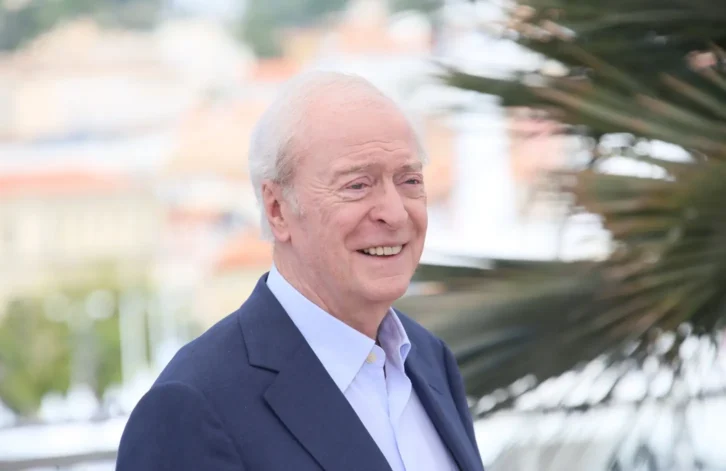
Film star Sir Michael Caine has joined a research project that aims to understand how well members of the public can distinguish real voices from AI-generated deepfakes.
The study, led by Dr Ben Gibb-Reid at the University of York and Dr Jennifer Williams at the University of Southampton, aims to improve understanding of how people perceive synthetic speech and contribute to better ways of identifying AI-generated audio.
As part of the study, Caine has agreed to lend his voice to the research team, which will present participants with samples of his voice as well an AI voice replica created and licensed by ElevenLabs, one the UK’s largest AI companies and a specialist in speech generation.
According to the research team, the findings could also help strengthen protections for performers and creators whose voices, identities and likenesses are increasingly being replicated by artificial intelligence.
“We are becoming increasingly familiar with the signs of AI-generated images, but the human ear is not yet as well trained at identifying synthetic audio,” said Gibb-Reid.
“We will explore a range of linguistic features that may act as ‘tells’ of authenticity, and contribute to the growing need for effective voice-rights protection. We look forward to working with such an iconic voice on this timely and novel project.”
Caine has advocated previously for the ethical use of AI and was among the first major celebrities to support licensed AI voice technology in cases where the intellectual property and publicity rights for the performers were sufficiently strong.
Discussing his involvement in the study, Caine said: “If my voice can help researchers better understand how people perceive AI-generated speech, protect artists’ and actors’ rights, and help protect the public from harmful deepfakes, then I’m pleased to support this important research.”
The project is funded by the YorVoice project at the University of York.
Mati Staniszewski, co-founder and chief executive of ElevenLabs, said that ensuring people can trust AI voice providers is “critical” as the technology progresses.
“At ElevenLabs, we’ve embedded safeguards throughout our platform, and we work closely with leading creatives who want to protect and expand their IP. Research of this kind will help us defend against bad actors, and keep artists in control of their voice and identity.”